Introduction
Testosterone is an important hormone for male health, but conversations about it often become focused on quick fixes and aggressive “boosting” claims. A better starting point is understanding the foundations that help the body maintain healthy hormone function. Sleep, physical activity, nutrition, body composition, stress management and treatment of underlying health problems all matter.
For men who are searching for how to increase testosterone naturally, the most useful approach is not a single food or capsule. It is a consistent lifestyle routine that supports overall health. If symptoms such as persistent low energy, reduced libido, erectile difficulties or loss of strength continue, medical evaluation is more appropriate than self-diagnosis.

1. Understanding Testosterone’s Role in Muscle Building
Testosterone is an important hormone linked with muscle growth, strength, energy, and recovery. It supports protein synthesis, which helps the body repair and build muscles after exercise. It also plays a role in bone strength, red blood cell production, endurance, and overall male wellness.
For gym lovers and bodybuilders, maintaining healthy testosterone levels can support better training performance, faster recovery, and improved consistency. However, testosterone support works best when combined with proper exercise, balanced nutrition, good sleep, and a disciplined lifestyle.
In Ayurveda, strength, vitality, and stamina are closely connected with body balance, nourishment, and rejuvenation. Several herbs have traditionally been used to support energy, stamina, and male wellness.
1. Prioritize Consistent Sleep
Sleep is one of the most overlooked parts of a hormone-friendly lifestyle. Aim for a regular sleep and wake schedule and create a bedroom environment that makes quality rest easier. Late-night screen use, irregular working hours and excessive alcohol can all interfere with restorative sleep. If loud snoring, daytime sleepiness or repeated nighttime waking is a pattern, discuss it with a healthcare professional.
2. Train for Strength and Fitness
Resistance training can support muscle strength, body composition and general metabolic health. Combine sensible strength sessions with regular walking, cycling, swimming or another activity you enjoy. The goal is sustainable training rather than extreme workouts that leave you chronically exhausted. Recovery days, adequate food and gradual progression are important.
3. Maintain a Healthy Weight
Excess body fat, particularly around the abdomen, is associated with several metabolic health problems that can overlap with hormone concerns. Rather than chasing rapid weight loss, build habits that can be maintained: balanced meals, portion awareness, regular movement and adequate sleep. A waistline-focused health plan can benefit cardiovascular, metabolic and sexual health at the same time.
4. Eat for Overall Health
There is no magic testosterone food. A balanced diet built around vegetables, fruit, whole grains, pulses, nuts, seeds, quality protein and healthy fats is a stronger foundation. Avoid making extreme dietary restrictions your long-term strategy. Nutrient deficiencies and very low calorie intake can work against energy, recovery and wellbeing.
5. Manage Chronic Stress
Stress does not have to disappear for you to be healthy. What matters is developing reliable ways to manage it. Walking outdoors, breathing exercises, yoga, meditation, hobbies and social connection can make a practical difference. If stress, anxiety or low mood is persistent, professional support can be valuable.
6. Limit Smoking and Excessive Alcohol
Smoking and heavy alcohol use can negatively affect cardiovascular health, fitness, sexual function and overall wellbeing. Reducing exposure is one of the most useful lifestyle changes a man can make. If stopping feels difficult, structured support from a healthcare professional can improve the chance of success.
7. Review Medicines and Health Conditions
Low testosterone symptoms can overlap with many other conditions. Diabetes, obesity, sleep disorders, thyroid problems, medication effects and other health issues may contribute to fatigue or sexual changes. A clinician can decide whether testing is appropriate and interpret results in context rather than relying on an online symptom checklist.
8. Be Careful With “Testosterone Booster” Claims
Natural does not automatically mean effective or risk-free. Evidence varies widely among herbal and dietary supplements, and products marketed for sexual enhancement can sometimes contain undeclared ingredients. Look for transparent labels, responsible claims and appropriate quality controls. If you take medicines or have a health condition, ask a healthcare professional before using a supplement.
9. Track the Habits, Not Just the Hormone
A practical way to improve your routine is to track sleep consistency, exercise, waist measurement, energy, mood and recovery. These measures can show whether your lifestyle is moving in a healthier direction. If symptoms remain concerning, take the information to a qualified clinician.
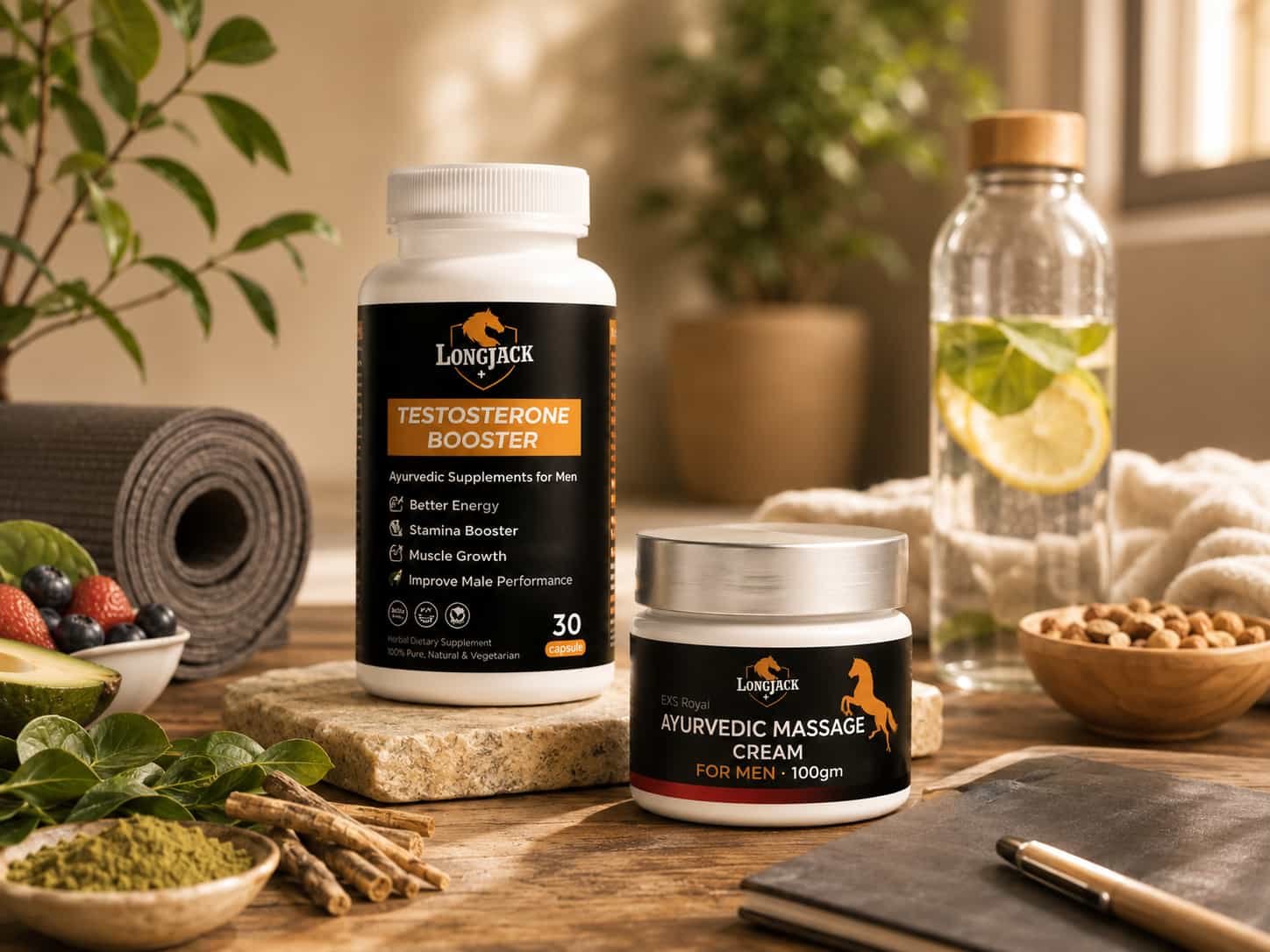
Healthy testosterone support is fundamentally a men’s wellness project. Build the basics first: sleep well, move regularly, eat a balanced diet, manage stress, maintain a healthy weight and address medical concerns. LongJack Plus positions its products as general wellness options for daily energy, stamina and vitality rather than as treatments for hormone disorders. Use supplements responsibly and seek professional advice when symptoms are persistent.
The long-term view
Hormone health is better approached as a long-term health metric than a quick performance target. Improvements in fitness, waist circumference, sleep quality and metabolic health can be meaningful even when a person is not measuring testosterone every week. This approach also reduces the temptation to chase increasingly strong products or unrealistic promises.
What about testosterone testing?
Testosterone should not be judged from symptoms alone. If a man has persistent symptoms that suggest a hormone problem, a clinician can decide whether testing is appropriate and interpret the result alongside the clinical picture. Buying a supplement based on fatigue alone can miss other causes such as sleep problems, depression, medication effects, anemia or metabolic disease.
A practical weekly framework
A simple weekly framework can make these habits easier to sustain. Choose two or three strength sessions, several moderate activity sessions and a consistent bedtime. Plan meals before the busiest days of the week so that convenience does not automatically mean highly processed food. Keep one short period each day for stress recovery. The objective is not to optimize every variable; it is to make healthy behavior predictable.